The Kinetic Anchor Fallacy: The Biomechanics of Sci-Fi Prosthetics

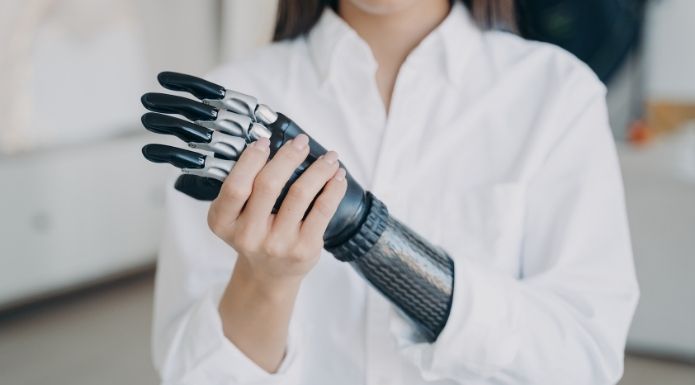
We’ve all seen the shot: A character with a gleaming titanium arm punches through a concrete wall or lifts the back of a moving semi-truck. It’s the ultimate “cool” factor in sci-fi, popularized by the Six Million Dollar Man and perfected by modern icons like Bucky Barnes. The problem with the “Super-Arm” isn’t the arm itself, it’s the Kinetic Anchor. Hollywood treats a bionic limb like a bolt-on accessory, ignoring the fact that the human body is an integrated kinetic chain. When you add a six-million-dollar arm to a ten-cent shoulder, you aren’t building a superhero. You’re building a biological self-destruct button.

The Arid Apocalypse Fallacy: Sci-Fi’s Impossible Desert Earth

Although the film didn’t invent the genre, Mad Max began a cinematic tradition I call the “For Every Disaster a Desert” trope. No matter the cause of societal collapse, the ecological result is always the same: And endless barren wasteland filled with sand dunes, and cool dessert cars with people dressed up in bad-ass homemade Halloween costumes. Since it all started with Mad Max, to do the “Desert Apocalypse,” audit, we have to start with the patient zero of the genre: Mad Max (1979).

The Internal Consistency Fallacy: High Fantasy vs. Grounded Sci-Fi

Your friendly ScreenLab analyst has been triggered. Some fellow who “took a course on Science Fiction in college” is trying to kill my joy on Quora. You won’t believe what this science fiction expert said. “You don’t actually “believe” in magic (like Harry Potter or The Force) because it has no basis in our reality. You only “believe” in science fiction when it’s a direct extrapolation of technology we already have (like a better version of a modern spaceship).”

The Concussion Convenience: Why Movie Knockouts Are a Biological Lie

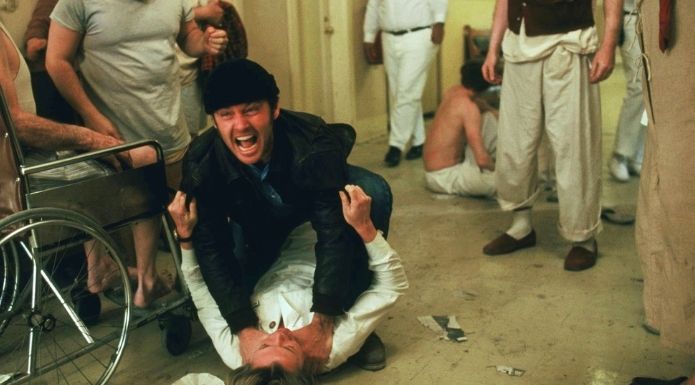
We all love a good action movie brawl, there is something undeniably satisfying about a perfectly choreographed fight scene where the hero stands tall. However, in the world of cinema, the human jaw is often treated as a convenient narrative off-switch. A hero delivers a single, crisp punch or presses a rag to a henchman’s face, and they drop instantly, lying perfectly still for exactly 20 minutes. It’s clean, it’s efficient, and it’s a complete biological fabrication. In the ScreenLab, I’ve decided to label this the “Concussion Convenience”, a trope that replaces traumatic brain injury with narrative convenience

Movie Choking Scenes Blunder: Three-Minute Biological Reality

We’ve all seen it hundreds of times: a hero sneaks up on a sentry, applies a quick “sleeper hold” or a manual choke, and the victim’s lights simply go out in about ten seconds. In movie-land, the human body is equipped with a convenient “on-off” switch that allows for a quiet, tactical nap at a moment’s notice.

The DNA Undo Button: Why Evolution Isn’t a Rewind Feature

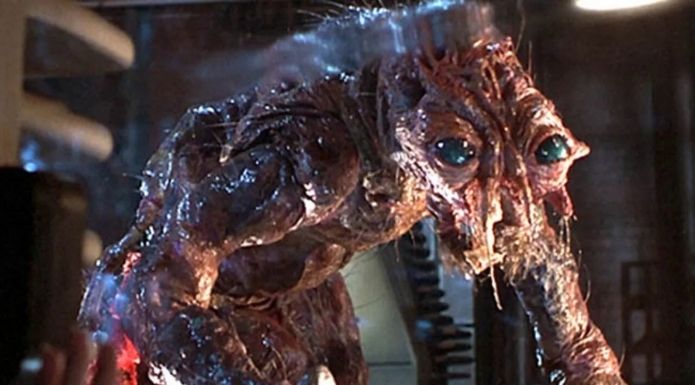
In the world of the Screen Lab, DNA is often treated like a dynamic word document—something you can “Find and Replace” in real-time to turn a Starfleet officer into a lizard or an Air Force Colonel into a caveman. But biology doesn’t have an “Undo” (Ctrl+Z) function. In the real world, when you rewrite the blueprints of a standing building, the building doesn’t rearrange its own bricks; it usually just collapses. Before we dissect the “Miracle Cures,” let’s look at our three primary specimens.

The Ragdoll Paradox: Why Blunt Force Trauma in Movies is a Lie

We’ve all seen the Winchester brothers engage in their signature brand of “emotional” development, usually involving a “Jerk” from Dean and a “Bitch” from Sam. But after fifteen seasons of being telekinetically shoved across motel rooms, it’s clear their brotherly bond isn’t the only thing that’s unbreakable.

Privacy Overview

This website uses cookies so that we can provide you with the best user experience possible. Cookie information is stored in your browser and performs functions such as recognising you when you return to our website and helping our team to understand which sections of the website you find most interesting and useful.