Edible Special Effects: The Culinary Hustle Behind Non-Food Props

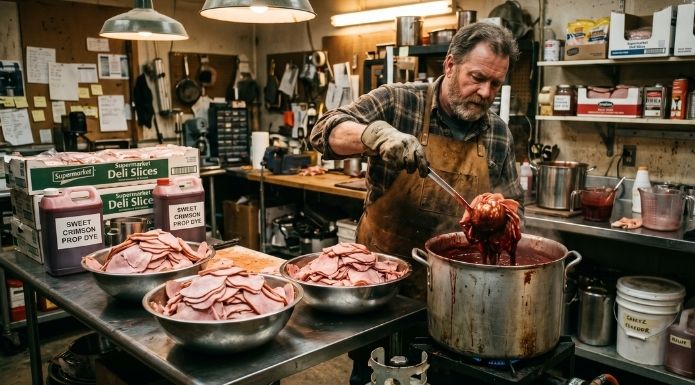
Have you ever wondered what the zombie actors in The Walking Dead were actually chewing on while tearing into an “unfortunate survivor” on screen? In a pure narrative vacuum, the audience is meant to experience absolute visceral horror, raw, cold, systemic depravity. But if you step just three inches outside the camera frame, the terrifying illusion immediately dissolves into a sticky, low-tech culinary operation. In the early seasons of the show, those ravenous walkers weren’t tearing through human flesh; they were chewing on industrial-sized batches of industrial deli ham soaked in barbecue sauce. On paper, it sounds like a decent catering perk. In practice, it’s a stomach churning nightmare.

The Secret to Cinematic Scale: Why Sci-Fi Ships Are Covered in Junk

If you look closely at the hull of the Millennium Falcon, the industrial corridors of the Nostromo, or the massive surface of the Death Star, you’ll notice they are covered in a chaotic mess of pipes, vents, and random mechanical bumps. In the visual effects industry, these are called Greebles (or Nurnies). While they look like advanced alien technology, they are actually a vital cinematic tool designed to manage how our brains process Scale and Light. By overwhelming the eye with physical detail, Greebles perform a silent psychological correction, convincing the viewer that they are looking at a massive, functional machine rather than a small-scale model in a studio.

How Movies Remove Legs: The Evolution of Missing Limb Effects

When most people think of “missing legs” in movies, Gary Sinise in Forrest Gump is the immediate mental anchor. It’s often cited as the gold standard, but from a technical perspective, it’s a transitional step in the missing limb effect. It solved the problem of visibility (you couldn’t see the legs), but it hadn’t yet solved the problem of physics.

Why Modern Movies Look Grey: The Green Screen Color Crisis

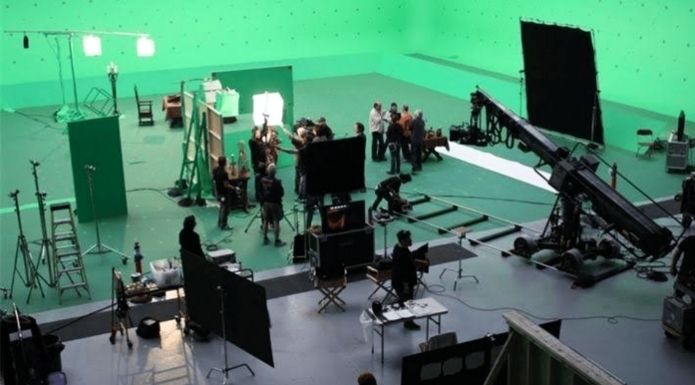
Have you ever sat down to watch a modern blockbuster, armed with a high-end 4K display, only to find yourself squinting through a flat, desaturated “smog”? You aren’t alone. In the last decade, a specific visual rot has infected big-budget cinema, a look characterized by muddy blacks, sickly skin tones, and a persistent “grey twilight” … Read more

Why High-End VFX Made ‘A Quiet Place’ Monsters Clumsy

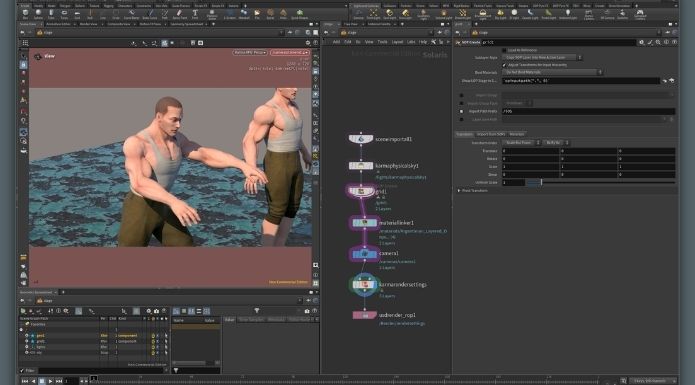
In the era of traditional animation, movement was a precious commodity. Whether it was the hand-painted cels of the golden age or the painstaking frame-by-frame adjustments of stop-motion, every shrug, step, and facial twitch represented a significant investment of time and capital. This “budget of restraint” forced a natural discipline: if a character moved, that … Read more

Privacy Overview

This website uses cookies so that we can provide you with the best user experience possible. Cookie information is stored in your browser and performs functions such as recognising you when you return to our website and helping our team to understand which sections of the website you find most interesting and useful.