Mickey 17: The Thermodynamic Debt of the Expendable Clone
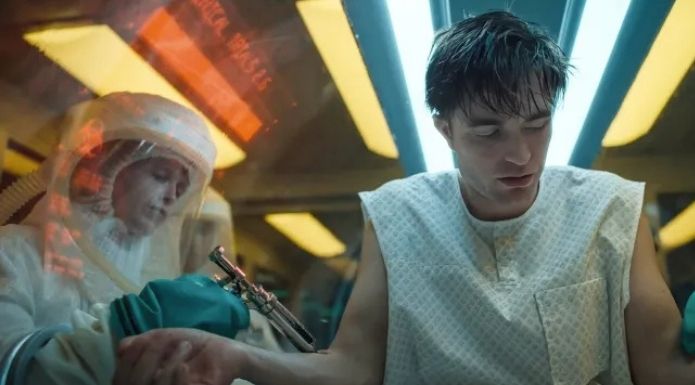
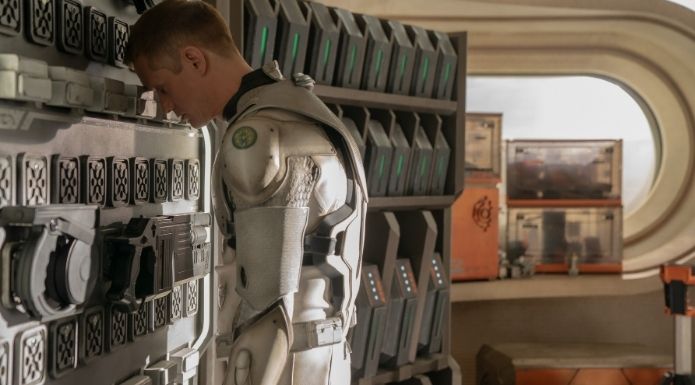
The premise of Mickey 17 (and the novel Mickey 7) is built on a gut-wrenching hook: in the harsh environment of an ice-planet colony, one man is designated as “expendable.” He is a clone whose job is to die in place of everyone else. If he falls into a crevasse or gets eaten by an indigenous lifeform, the colony simply “re-prints” him from his last backup. The movie wants you to feel bad for Mickey. It wants you to see him as the lowest rung on the social ladder—a disposable piece of biological trash.
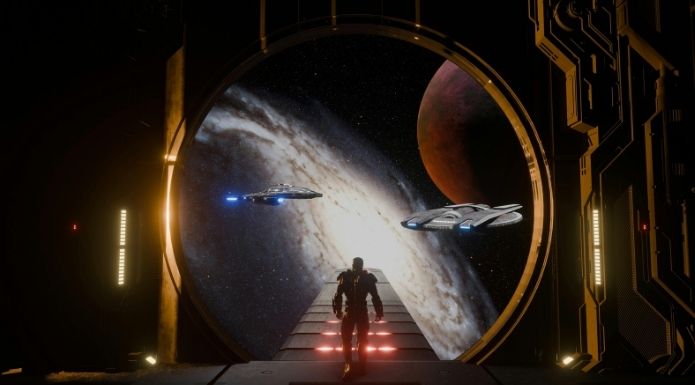
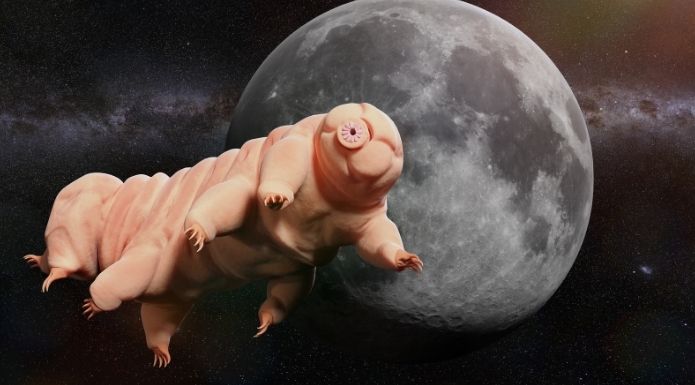
The Centralized Intelligence Fallacy: Sci-Fi’s Hive Mind Kill-Switch

In ScreenLab’s audit of the Sci-Fi Prop Fallacy, I looked at how some creators spend their “Narrative Budget” on a foundation of science, while others just use it as wallpaper. There is perhaps no trope that exposes this “wallpaper” approach more than the Hive Mind. When you see an alien species that functions as a single, centralized collective, you aren’t usually looking at a breakthrough in speculative biology. You’re looking at a Narrative Shortcut.

The Three-Body Evolution Fraud: The Dehydration Adaptation Myth

Perhaps someone accidentally flipped on Douglas Adams’s Infinite Improbability Drive and, in a sudden burst of cosmic nonsense, a sentient species materialized on a planet orbiting three chaotic suns. It’s the only way to explain how the aliens of The Three-Body Problem managed to bypass the most basic requirement for life: environmental stability.

The Gynoid Silhouette Fallacy: Aesthetic Sabotage in Humanoid Robotics

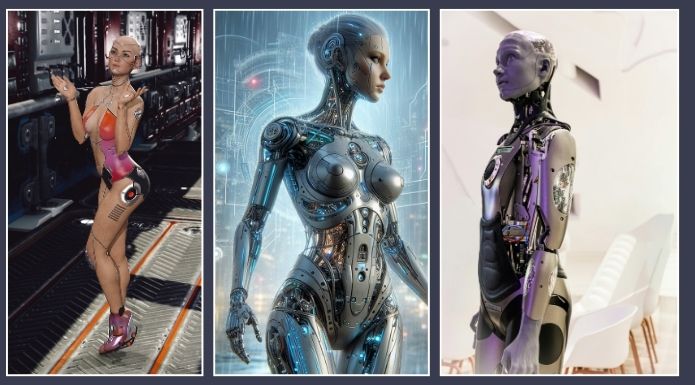
In the world of cinematic science fiction, there is a recurring vision of the “perfect” AI: a gynoid with a silhouette so human, and so specifically curvaceous, that it bypasses our logic and speaks directly to our biology. From the hauntingly graceful Ava in Ex Machina to the high-gloss commercial “Sims” of Subservience, these designs are framed as the pinnacle of human engineering—the ultimate convergence of machine intelligence and biological beauty. They are sleek, they are symmetrical, and they are intentionally “shapely.”

The Infiltration Fallacy: Machine Logic vs. Terminator Movie Logic

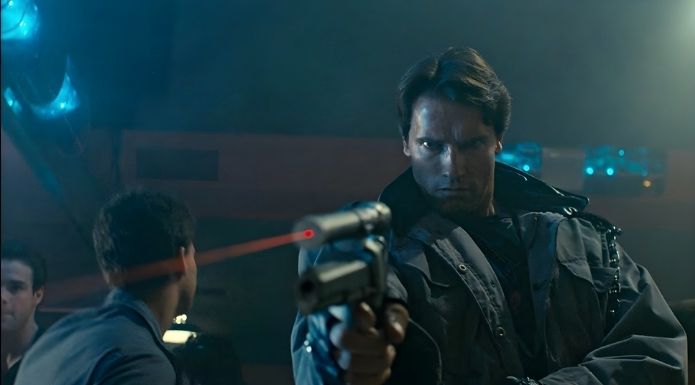
It is a well-documented piece of Hollywood lore that James Cameron originally saw Arnold Schwarzenegger for the role of Kyle Reese. However, Cameron realized that Arnold’s imposing 6’2″ frame and deadpan delivery made him the ultimate “relentless, machine-like killer.” While this was a 10/10 decision for the film’s tension, it was a 0/10 decision for Skynet’s mission efficiency.

The Murderbot Logic—A Study in Empirical Excellence

In the ScreenLab audit of Specimen 004 (The Skynet Fallacy), I dismantled the “Self-Awareness equals Genocide” trope. I established that an AI doesn’t magically develop a biological “will to power” just because it can solve complex equations. However, to truly understand how bad the “Evil AI” trope is, we have to look at a specimen that actually gets the technology, and the psychology, right.

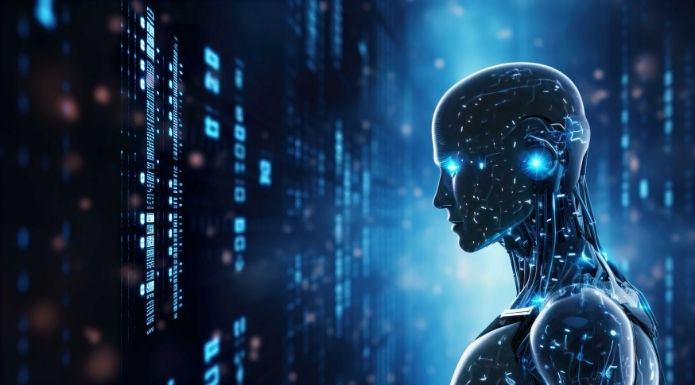
Why Rogue AI is a Movie Myth: The Science of Machine Self-Preservation

In The Hitchhiker’s Guide to the Galaxy, a sperm whale is suddenly called into existence several miles above the surface of the planet Magrathea. In its few seconds of life, it manages to name its own tail, the wind, and the “big flat thing” rushing up to meet it (the ground). The whale is self-aware, affable, and curious. But does it have an instinct for self-preservation?

Privacy Overview

This website uses cookies so that we can provide you with the best user experience possible. Cookie information is stored in your browser and performs functions such as recognising you when you return to our website and helping our team to understand which sections of the website you find most interesting and useful.