The DNA Undo Button: Why Evolution Isn’t a Rewind Feature
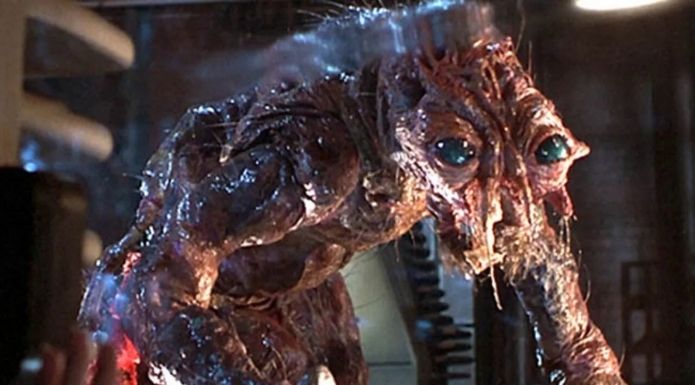
In the world of the sci-fi film and television, DNA is often treated like a dynamic word document, something you can “Find and Replace” in real-time to turn a Starfleet officer into a lizard or an Air Force Colonel into a caveman. But biology doesn’t have an “Undo” (Ctrl+Z) function. In the real world, when you rewrite the blueprints of a standing building, the building doesn’t rearrange its own bricks; it usually just collapses. Before we dissect the “Miracle Cures,” let’s look at our three primary specimens.
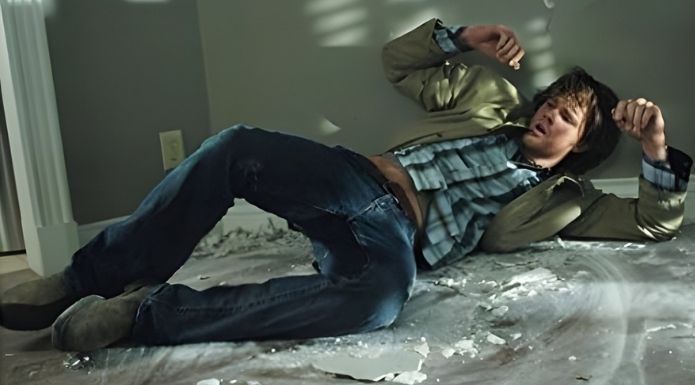
The Ragdoll Paradox: Why Blunt Force Trauma in Movies is a Lie

We’ve all seen the Winchester brothers engage in their signature brand of “emotional” development, usually involving a “Jerk” from Dean and a “Bitch” from Sam. But after fifteen seasons of being telekinetically shoved across motel rooms, it’s clear their brotherly bond isn’t the only thing that’s unbreakable.

Why Fictional Characters Have Scripts, Not Souls

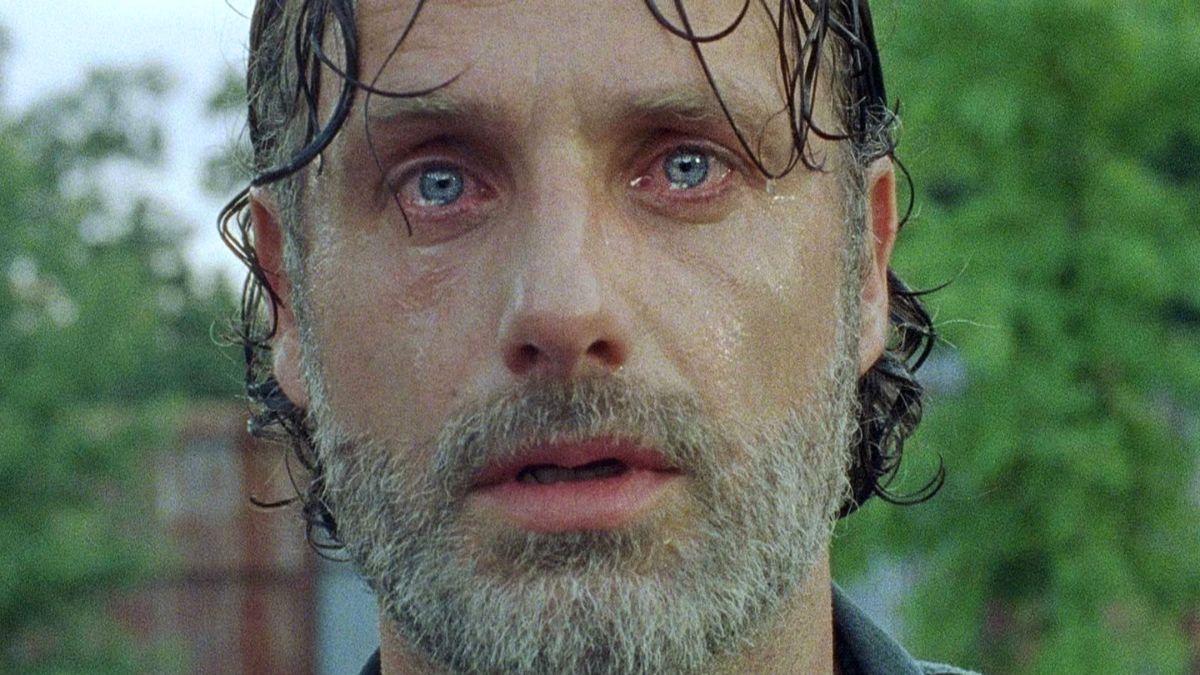
I’ll be the first to admit: I love old Rick Grimes as much as the next fella. But as a dedicated analyst of screen logic, I have to separate my heart from the on-screen data. For over a decade, the internet has been obsessed with the “mind” of Rick Grimes. We have seen 40-minute video essays, deep-dive Reddit threads, and even actual, licensed psychologists providing clinical breakdowns of his trauma, his leadership style, and his descent into “Murder Jacket” pragmatism. These analysts treat Rick as a living, breathing specimen, a man with a complex web of neurons and a consistent psychological profile.